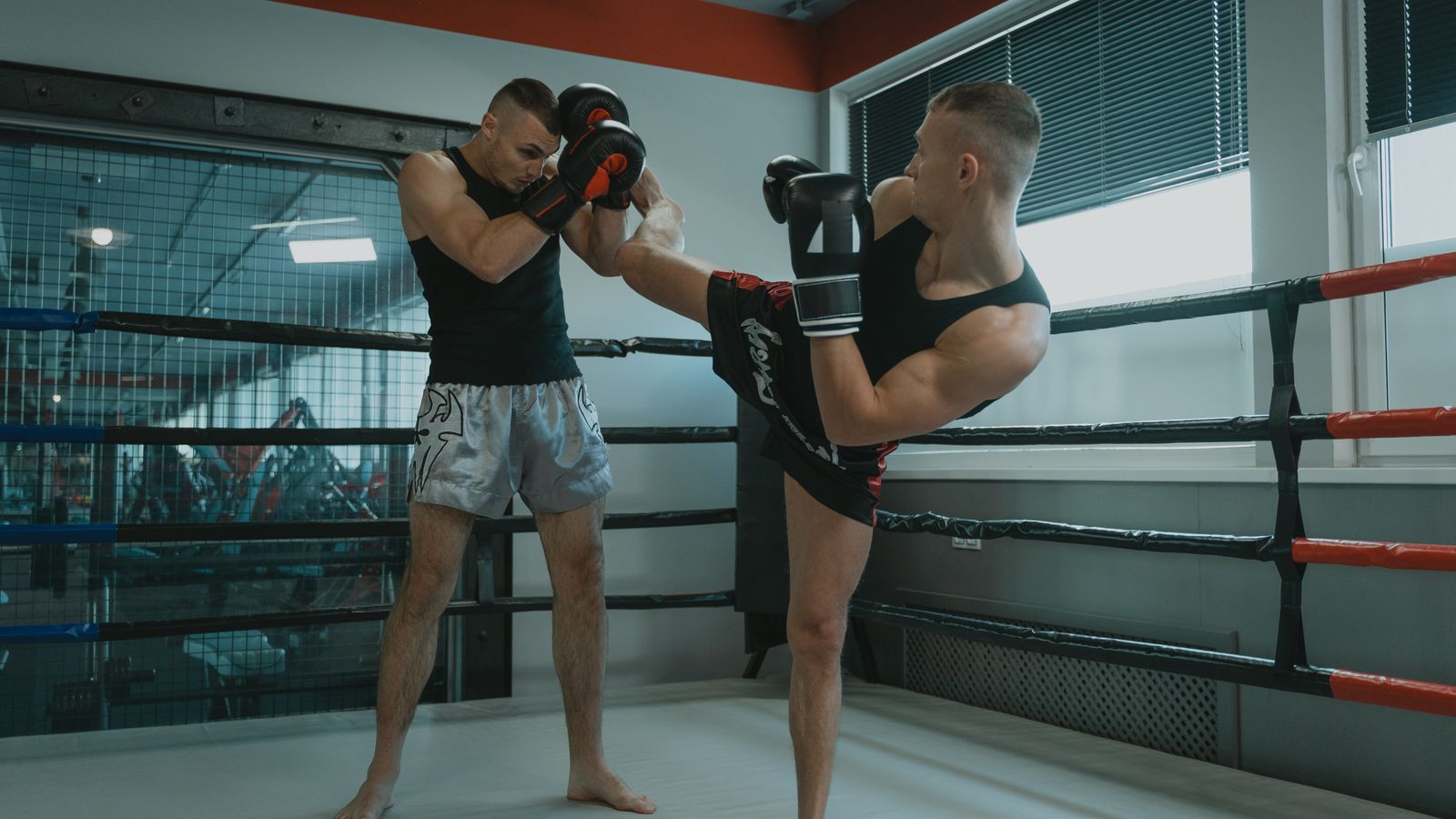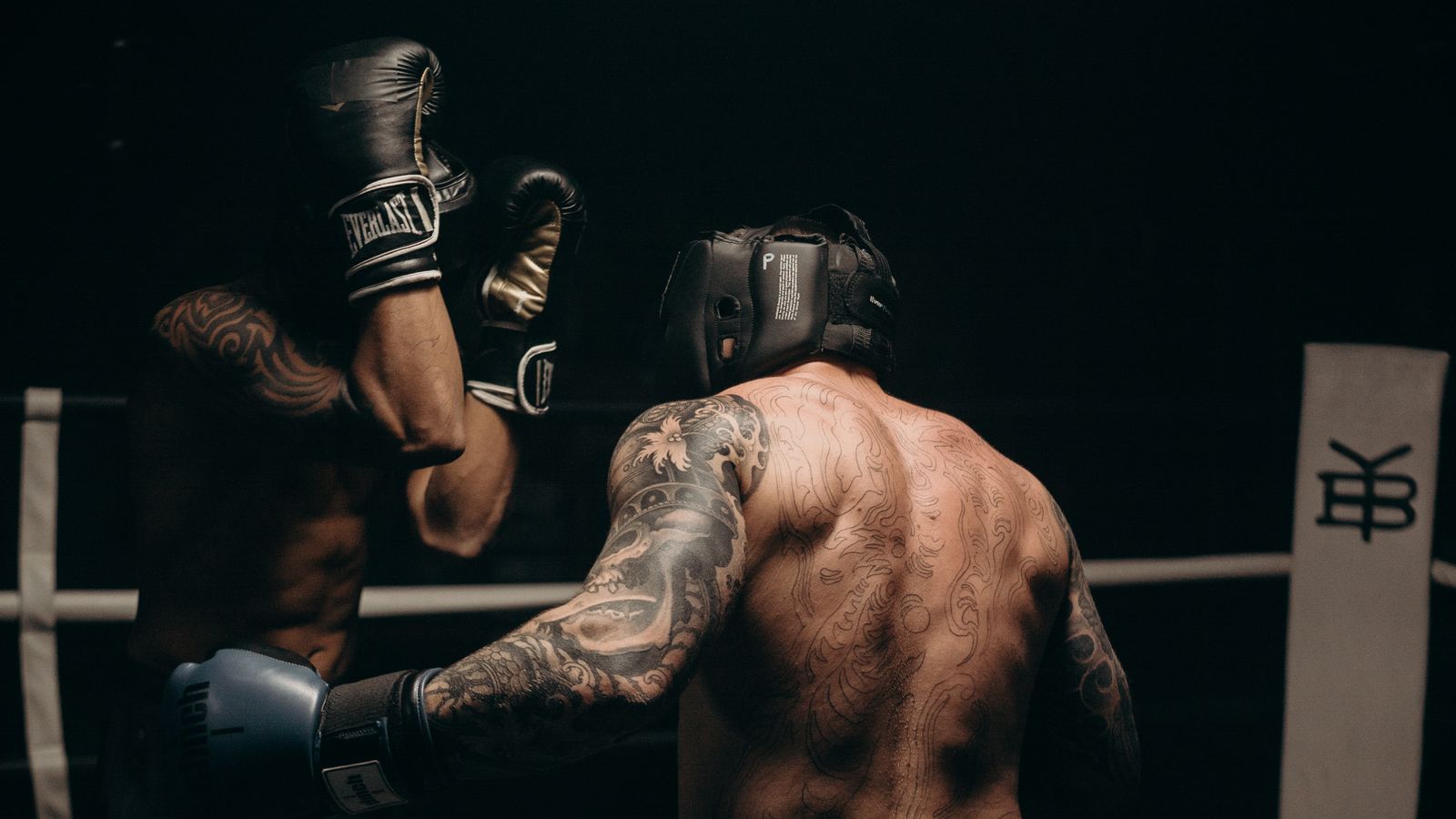
Sparring intensity is something you negotiate before the round starts, not something you discover halfway through it. Say what kind of round you want, watch what actually happens once gloves touch, and speak up the moment the two stop matching.
Even pro fighters think about this on purpose
If you assume hard sparring is just something you have to accept as you get better, look at what actual fighters say about it. Prajanchai, a professional Muay Thai fighter with a long career at the highest level, has said publicly that hard sparring can be more of a disadvantage than a benefit. There are well-known stories in the sport of training partners quietly avoiding rounds with guys who hit too hard, because nobody wants to get hurt two weeks before a fight for no reason.
That should tell you something. If professionals who fight for a living are deliberate about dialing sparring up or down, a hobbyist training two or three times a week at Khao Noi Gym has even less reason to treat every round like a fight. Sparring is not where you prove anything. It is where you practice.
What sparring is actually for
The point of sparring is not to win the round. It is two people using live movement to sharpen timing, distance, and reactions that pad work and bag work cannot fully replicate. Your partner is not your opponent. They are the person helping you get better, and you are doing the same for them.
This sounds obvious written down, but it is easy to forget once adrenaline shows up. Someone lands a clean shot, the other person's ego reacts, and suddenly a technical round has turned into two people trying to hurt each other. That is not sparring anymore. That is just two people fighting badly, without the structure or the reason a real fight would have.
Good training partners protect each other's ability to keep training. That is the actual skill.
Is your gym's sparring too hard for you
This is the question most people never say out loud, and it is worth answering honestly rather than pretending it does not apply to you.
If you finish sparring sessions bruised, rattled, or dreading the next one, that is not toughness building. That is a mismatch that needs fixing, either in how the round is set up or in who you are getting paired with. A few signs it might genuinely be too hard for where you are right now:
- You are flinching or covering up defensively for most of the round instead of exchanging
- You leave sessions more anxious about the next class than excited for it
- Your partner is clearly more experienced and not adjusting down for you
- You are getting caught with shots that leave a mark, more than once a week
How to ask for lighter sparring without sounding soft
Nobody wants to be the person who asks for a lighter round and gets a reputation for it. Here is the honest truth: at a gym with decent culture, asking for technical rounds is not seen as weak. It is seen as normal, because everyone there was a beginner once and everyone still has weeks where they want to work technique instead of grind.
The easiest way to set intensity is to just say it before touching gloves. A few lines that work without any awkwardness:
- "Let's keep this technical today"
- "Light rounds, working on my defence"
- "I'm still figuring out my hips on kicks, go easy on me"
- "Full pace today if you're up for it"
At Khao Noi Gym, this kind of quick check-in before rounds is completely normal. Nobody at a good gym in Singapore, or anywhere else, thinks less of someone for wanting a technical round instead of a war.
What to do mid-round if your partner is going harder than agreed
Sometimes the conversation happens before the round and the round does not match it anyway. Maybe your partner got caught with something and reacted. Maybe they forgot what was agreed. Maybe they are just having an off day. Whatever the reason, this is where a lot of hobbyists make the same mistake: they notice it is too hard, say nothing, and just try to survive the round.
Do not do that. If the intensity has clearly drifted past what you agreed on, say something immediately, mid-round if you need to. A simple "hey, let's slow it down" while resetting distance is enough. Most training partners will immediately dial back once they realise, because very few people are deliberately trying to hurt a training partner. Most of the time it is carelessness, not intent.
If it happens again with the same person, or if it happened once but felt genuinely reckless rather than an accident, flag it to your coach after class. This is not tattling. Coaches at Khao Noi Gym, and at any gym that takes its members seriously, want to know when pairings are not working, because they cannot fix what they do not know about. A quiet word after the session is exactly how gyms with good culture stay that way.
Do not quietly tough it out round after round hoping it improves on its own. That is how people get hurt, and it is how people quietly quit Muay Thai a few months in without ever telling anyone why.
Sparring too light does not build anything either
Here is the part that gets left out when people only talk about the dangers of hard sparring: going as light as possible every single time is its own problem. If two partners are so cautious that nobody ever actually commits to a shot, nobody is training timing, distance, or the discomfort of getting hit. You end up shadow boxing with a partner standing in front of you.
The goal is not "always as light as possible." The goal is matching intensity to what you are actually training that day. If you are three weeks out from your first amateur fight, you need rounds that get your heart rate up and put you under real pressure. If you are a hobbyist working on your jab six weeks into training, you need rounds slow enough that you can actually think about what your hands are doing.
Neither of those is more correct than the other. They are just different tools for different goals. The skill worth building is recognising which one you need on a given day, and being able to say so.
How coaches usually manage this in class
At a well-run gym, sparring pairings and intensity are not left entirely to chance. Coaches generally try to pair people with reasonably similar experience and size, keep an eye on rounds as they run, and step in when something looks off, whether that is a mismatch in size, a beginner paired with someone far more advanced, or intensity clearly running away from what the class called for.
That said, a coach cannot watch every exchange in every pairing every single class. This is why the conversation between partners matters so much. The coach sets the container. What actually happens inside a round is still mostly down to the two people in it agreeing on what kind of round they are having, and holding to it.
If you are new to sparring at Khao Noi Gym, or new to Muay Thai in Singapore generally, it is worth asking your coach directly how sparring is usually structured in class before you jump into your first round. A good coach will walk you through exactly this, because they have had this conversation with every new member who has ever asked it.
Start with a trial class
If sparring is the part of Muay Thai that has been holding you back from starting, know that most gyms ease you into it slowly, and a decent coach will never throw a brand new member into hard rounds on day one. Come try a class at Khao Noi Gym and see how sparring is actually introduced here before deciding it is not for you.